How Solar-Powered Drip Irrigation is Transforming Yala Smallholders
Discover how replacing costly diesel pumps with decentralized solar irrigation has tripled vegetable harvests for women self-help groups along the Yala River basin.
We mobilize grassroots resources, build local capacities, and deploy innovative agricultural technologies to empower smallholder farmers, youth, and women across Siaya County.

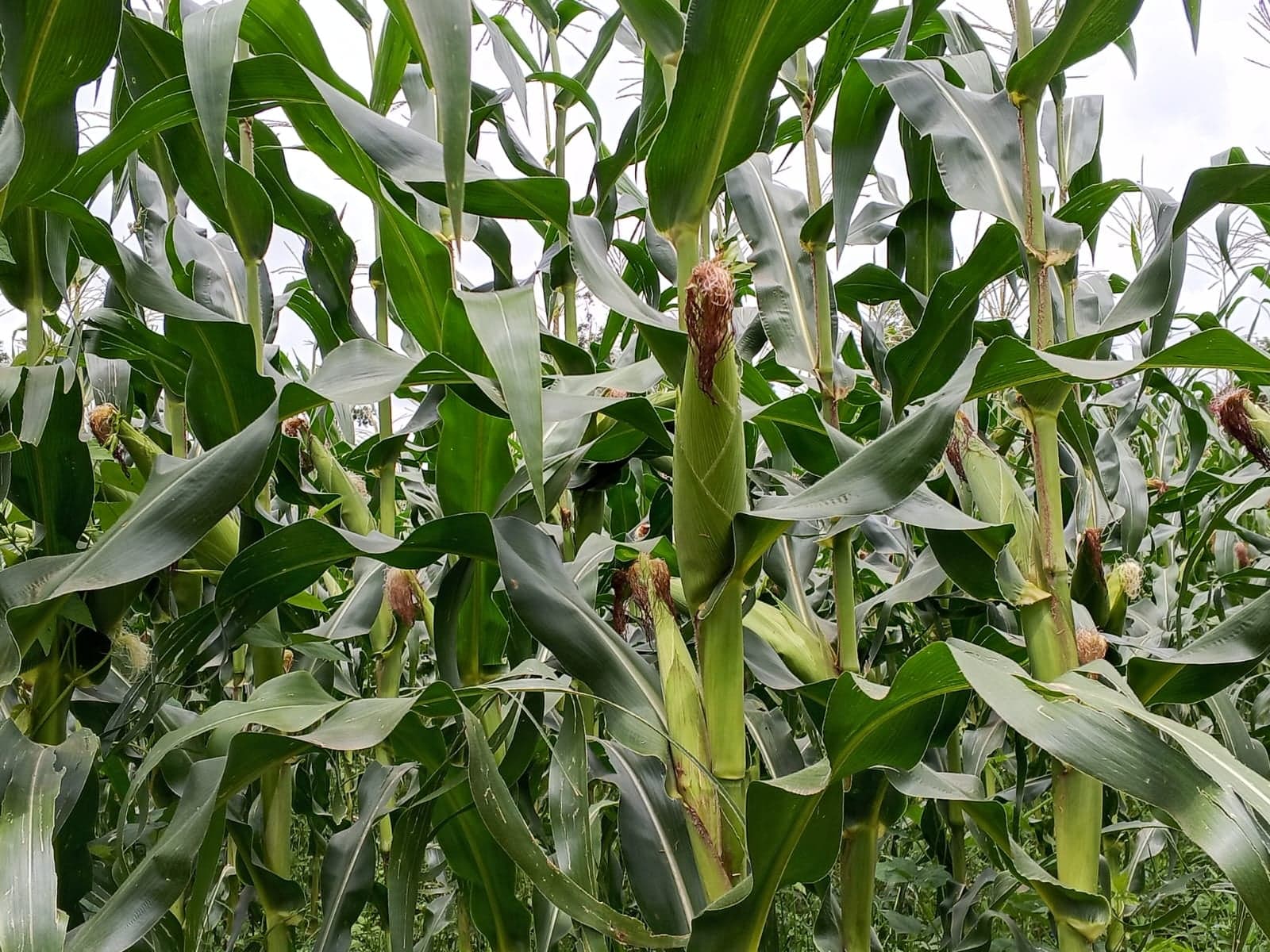
Maize planting
Supported by Our Strategic Partners & Government Agencies
The Siaya Agriculture and Food Systems Network (SAFSN-CBO) is a registered Community-Based Organization based in Yala Town, Gem Sub-County. We bridge the gap between scientific agricultural research, climate-adaptive technologies, and smallholder farming collectives.
To mobilize grassroots resources, build agronomic capacity, and deploy affordable green technologies that elevate household incomes and protect Siaya’s fragile agro-ecosystems.
Our constitution guarantees that at least 60% of all executive seats, grant capital, and equipment are awarded to women, youth, and persons living with disabilities.
Solar Drip Irrigation & Seed Hubs
Executive Chairperson
Passionate community organizer and champion for smallholder women farmers in Gem Sub-County with several years experience in the agricultural space.
Governance, Policy and Advocacy
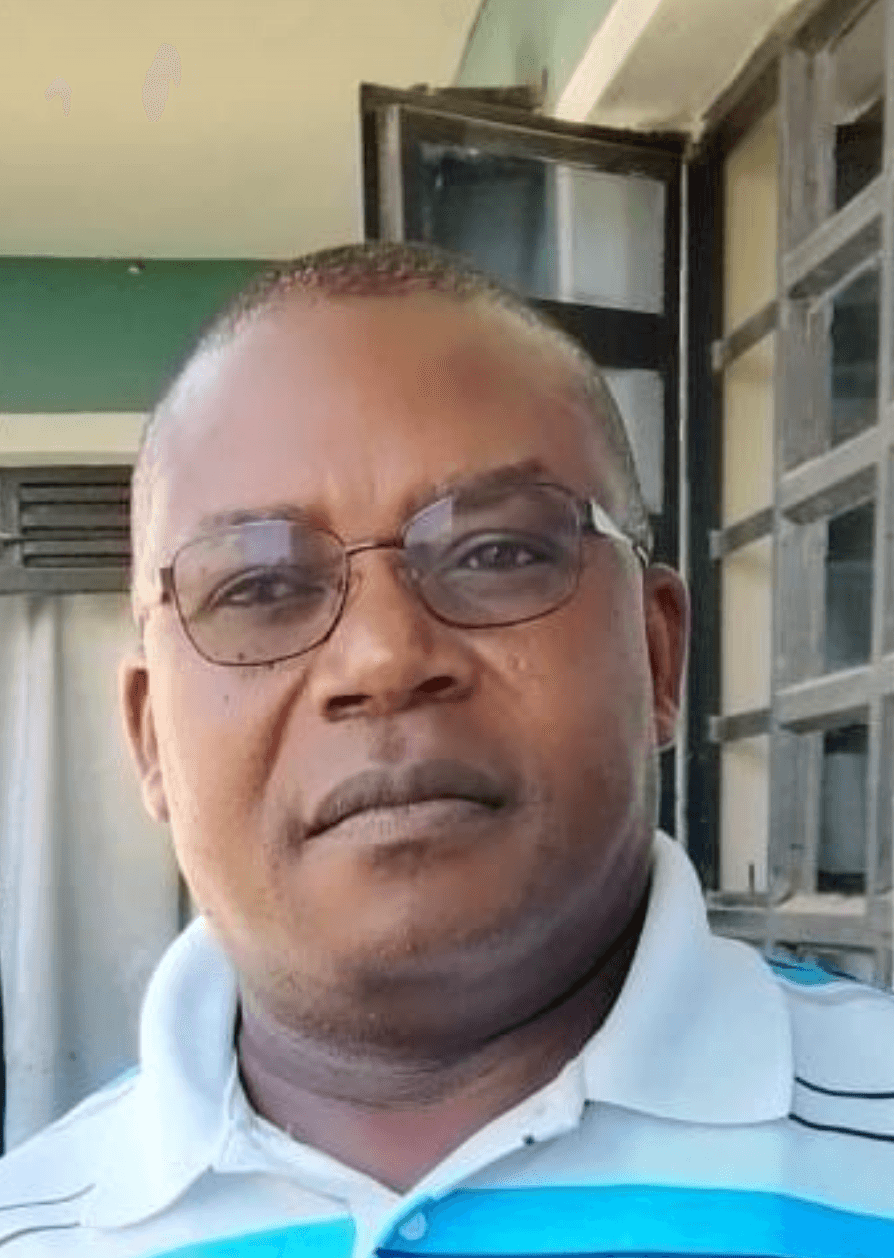
Fred Nyabera Abayo holds a degree in Applied Community Development and brings extensive experience in sustainable agriculture, agroforestry, and grassroots advocacy. He is dedicated to collaborative problem solving and empowering smallholder farmers, women, youth, and vulnerable community members across sustainable land management initiatives.

GESI Advisor
Juliet Okoth is a development practitioner with over 8 years of experience in gender equality, disability and social inclusion (GEDSI), youth empowerment, livelihoods and community development. She has experience integrating GEDSI into programme design, implementation, monitoring and reporting, while working with communities, government institutions, development partners and civil society organisations. Her work focuses on strengthening the meaningful participation of women, youth and persons with disabilities, addressing barriers to inclusion, and promoting equitable access to opportunities and resources. She also brings experience in stakeholder engagement, capacity building, advocacy and evidence-based programme improvement.

Finance and Resource Mobilization Technical Advisor
John Mark Kwame Atinga is a Kenyan development professional with extensive experience in programme management, agribusiness, organizational leadership, resource mobilization and community development. His work focuses on strengthening institutional capacity, mobilizing resources for sustainable development, building strategic partnerships, and supporting community-led initiatives that improve livelihoods and promote inclusive economic growth. With a professional background spanning public agricultural institutions, agribusiness, non-governmental organizations, and development partnerships, John Mark, brings practical experience in project planning, proposal development, budgeting, strategic planning, organizational capacity building, and programme implementation. His experience in climate change adaptation, food security, agricultural development, and water resources governance provides a strong foundation for mobilizing financial and technical resources to advance sustainable food systems. He is committed to promoting accountable resource management, collaborative fundraising, and innovative partnerships that enable grassroots organizations and smallholder farming communities to access the resources, knowledge, and opportunities required for long-term resilience and growth. He has vast experience working in the NGOs and faith-based organizations’ sectors in Kenya. He is the Vice Chair of the Kenya Water Partnership and a Technical Committee member of the Global Water Partnership- Eastern Africa Regional Steering Committee- all subscribing to the Global Water Partnership. He has served as the first African General Coordinator- of the Humanist Movement International, an organizational network that conducts non- violence projects globally.
Our interventions are systematically structured across eight interconnected sectors to transform subsistence agriculture into profitable, climate-adaptive enterprises.
Equipping smallholder farmers with drip irrigation, rainwater harvesting, drought-tolerant seeds, and soil regenerative practices.
Transitioning rural youth and women into profitable agribusinesses via modern poultry, apiculture, and horticulture.
Distributing modern Langstroth beehives, improved indigenous poultry, and dairy goats to market-oriented farming groups.
Reducing crop and produce waste via low-cost solar dryers, hermetic storage bags, and digital aggregation centres.
Establishing bio-intensive kitchen gardens and sack gardens in households and schools to boost micronutrient diversity.
Equipping irrigation groups with solar-powered water pumps and solar drying systems to cut diesel costs.
Ensuring equitable participation by allocating 60% of all leadership, assets, and seed capital to Women, Youth, and PWDs.
Installing solar-powered water purification hubs and handwashing points at open-air food markets and fish landing sites.
We break the persistent cycle of rural poverty through a structured, stage-gated financial inclusion pipeline. By integrating table banking with seed capital and collective marketing, we de-risk agricultural value chains for vulnerable producers.
Before receiving farm assets, beneficiary cohorts are grouped into Village Savings and Loan Associations (VSLAs). They undergo intensive training on savings mobilization, group dynamics, record-keeping, and table banking governance.
Verified VSLAs with compliant attendance and savings discipline receive 1:1 or 2:1 matching interest-free seed capital to bootstrap collective poultry, modern apiculture, or horticulture production.
Farmers apply climate-adaptive techniques through our peer-learning hubs. Production is synchronized across the ward and aggregated into community collection points to meet commercial scale.
By aggregating volume, vulnerable farmers gain collective bargaining power to bypass predatory middlemen and sign direct, guaranteed off-take contracts with regional institutional buyers.
Estimate the revolving capital injection and projected seasonal harvest revenue your registered group can unlock through SAFSN’s Agri-Inclusion Fund.
Groups with ≥60% women/youth/PWD membership qualify for 1.5x matching grant.
*Figures are projections based on seasonal field data from Gem-Yala pilot clusters and are subject to verification during committee appraisal.
We operate with uncompromising structural and financial transparency to foster radical trust among farmers, community elders, county partners, and international donors.
Real stories of agricultural transformation, VSLA success, and climate-smart innovation across Gem-Yala and Siaya County.
Discover how replacing costly diesel pumps with decentralized solar irrigation has tripled vegetable harvests for women self-help groups along the Yala River basin.
A deep dive into how Village Savings and Loan Associations unlock dignity, financial inclusion, and collective bargaining for vulnerable rural households.
How youth groups in Gem are adopting modern Langstroth beehives to generate high-value organic honey while safeguarding local biodiversity.
Whether you are a farming self-help group seeking VSLA integration, a county extension partner, or a donor organization exploring high-impact community investments in Siaya, we welcome your inquiry.
Direct chat with Secretariat Coordinator
Gem-Yala Sub-County, Siaya County, Kenya
Our secretariat team responds to all inquiries within 24–48 business hours.